Walking into a theatre to watch Barbie comes with a certain curiosity. Is it a children’s film? Is it a feminist statement? Is it pure pop culture fun? The truth is, Barbie is all of these things—and also something more unexpected.
Directed by Greta Gerwig, Barbie looks like a colourful fantasy from the outside, but once it begins, it slowly reveals itself as a thoughtful, playful, and surprisingly emotional film. Watching it in a theatre is a unique experience—full of laughter, bright visuals, and moments where the audience quietly reflects on what the film is actually saying.
The story: simple setup, layered ideas
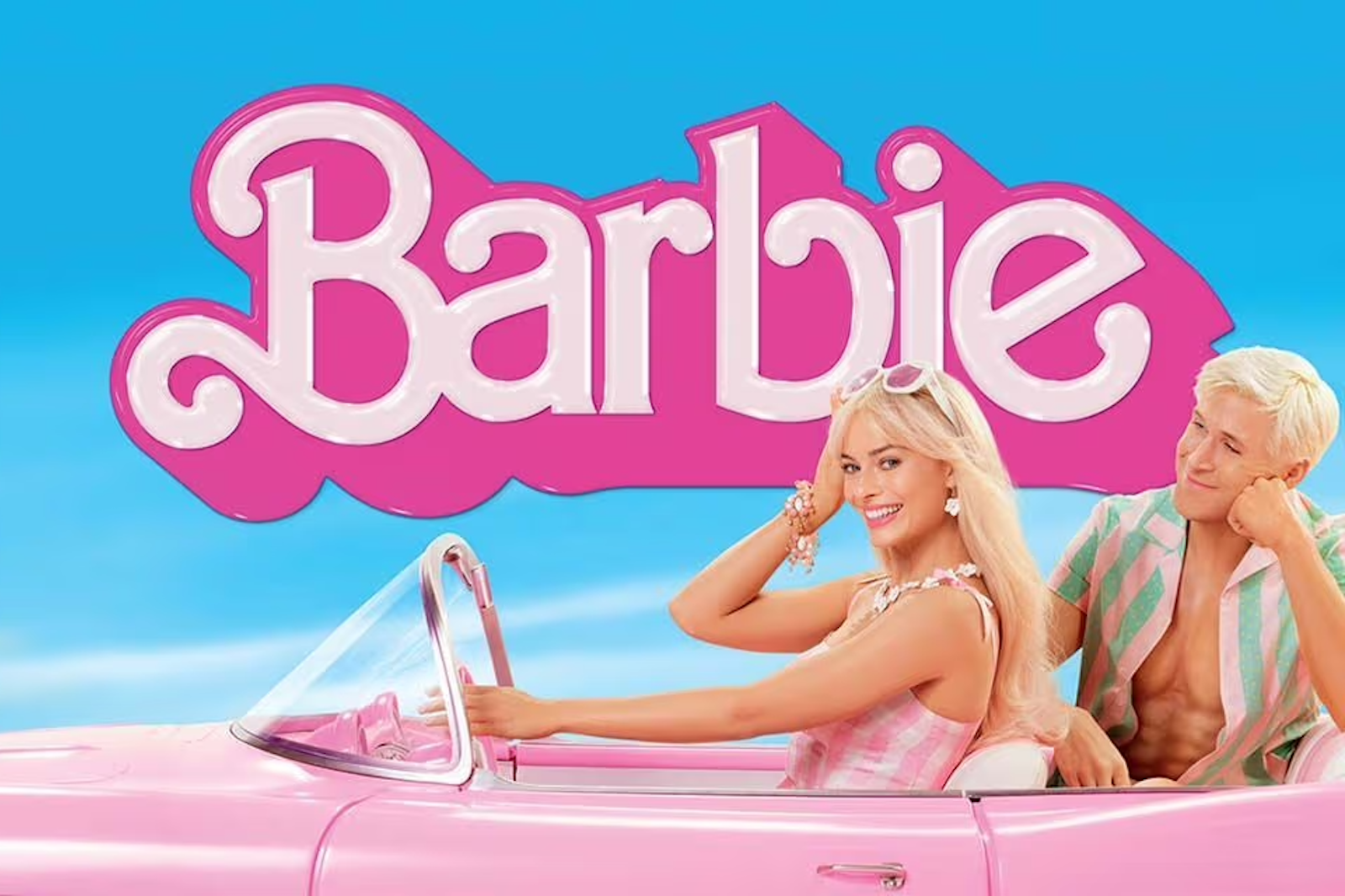
The story begins in Barbie Land, a perfect world where Barbies run everything and Kens exist mainly in the background. Margot Robbie’s Barbie lives a flawless life—until small cracks begin to appear. She starts thinking about death, her perfect routines fail, and something feels off.
To fix herself, Barbie travels to the real world with Ken, played by Ryan Gosling. What follows is a journey that challenges Barbie’s understanding of identity, purpose, and self-worth.
The plot is simple, but the ideas are layered. The film constantly shifts between fantasy and reality, humor and emotion, surface-level fun and deeper commentary.
Theatre experience: laughter with moments of pause
Watching Barbie in a packed theatre is a joyful experience. The audience laughs often—sometimes loudly, sometimes in recognition. The humour works across age groups, though adults catch more of the film’s clever jokes and references.
What is interesting is how the film controls the room. Just when the audience gets comfortable laughing, it pulls back and asks a serious question. These pauses create moments of silence, especially during emotional scenes.
It is rare to see a film that can switch tones so smoothly without losing the audience.
Margot Robbie: perfectly cast, emotionally grounded
Margot Robbie is perfectly cast as Barbie. She brings warmth, charm, and emotional depth to a character that could easily have felt plastic or shallow.
Her performance is not loud or dramatic. It is gentle, thoughtful, and human. As Barbie slowly questions her purpose, Robbie makes the journey feel believable.
In the theatre, her emotional scenes hold attention. You feel her confusion, her vulnerability, and her growth.
This is a performance that surprises by how restrained it is.
Ryan Gosling steals the show
While Barbie is the heart of the film, Ryan Gosling’s Ken often steals the spotlight. His performance is hilarious, self-aware, and surprisingly sad.
Ken’s journey—from insecurity to overconfidence to realization—is one of the film’s strongest arcs. Gosling plays it with full commitment, turning Ken into more than comic relief.
In the theatre, his scenes receive the loudest laughs and applause. Yet beneath the humour, there is a layer of emotional truth that makes the character memorable.
Greta Gerwig’s direction: playful but controlled
Greta Gerwig handles Barbie with confidence and clarity. She understands the risk of making a film about an iconic toy and avoids taking herself too seriously.
The direction is playful, self-aware, and sharp. The film constantly breaks expectations—sometimes literally breaking the fourth wall.
Yet, despite its cleverness, the film never feels chaotic. Gerwig keeps control over tone, pacing, and message.
This balance is not easy to achieve, and it shows her growth as a filmmaker.
Visuals and production design: a dream world done right
Visually, Barbie is stunning. Barbie Land is designed like a living toy set, with bright colours, simple geometry, and deliberate artificiality.
The production design is one of the film’s biggest strengths. It feels imaginative without being overwhelming.
Watching these visuals on a big screen enhances the experience. Every frame feels designed with care and intention.
Music and sound: fun with feeling
The music in Barbie fits the film’s energy perfectly. Songs are catchy, playful, and placed thoughtfully.
The background score supports both humour and emotion without forcing reactions.
In the theatre, the music adds to the fun without dominating the story.
Message without preaching
One of the biggest surprises of Barbie is how it handles its message. The film talks about gender roles, expectations, identity, and self-worth—but it does not shout.
There are moments where the message is clear and direct, but overall, the film trusts humour and emotion more than lectures.
This makes the ideas easier to absorb and more effective.
Where the film may divide audiences
Not everyone will connect with Barbie in the same way. Some may find the message too obvious. Others may feel it does not go deep enough.
A few sections feel slightly over-explained, especially toward the end. The film wants to make sure its point is understood, which slightly weakens its subtlety.
However, these moments do not ruin the overall experience.
Audience reaction in theatres
The audience response is largely positive. There is laughter, applause, and visible enjoyment.
Many viewers leave the theatre smiling, discussing favourite moments and performances.
Unlike heavy films, Barbie creates conversation without leaving the audience emotionally drained.
Rewatch value
Barbie has strong rewatch value. On a second viewing, many jokes and details become clearer.
The film rewards attention and benefits from repeated viewings, especially for adult audiences.
Final verdict
Barbie is a rare film that looks light but carries weight. It entertains without being empty and delivers a message without being preachy.
Powered by excellent performances from Margot Robbie and Ryan Gosling, and guided by Greta Gerwig’s confident direction, the film succeeds in being both fun and thoughtful.
Rating: ⭐⭐⭐⭐ out of 5
Who should watch it:
Adults and teens who enjoy smart, playful cinema with meaning.
Who may skip it:
Viewers expecting a simple children’s film or pure escapist fantasy.
Barbie proves that even the brightest, boldest films can have something meaningful to say—if they are willing to look beyond the surface.