When streaming platforms first became popular, they promised freedom. Viewers could watch what they wanted, when they wanted, without ads or schedules. For a while, it felt like a golden age of choice. Today, that promise feels heavier than ever. Across the world, audiences are facing a new problem—streaming fatigue.
In 2025, the question is no longer “What should I watch?” but “Is there too much to watch?”
The explosion of content
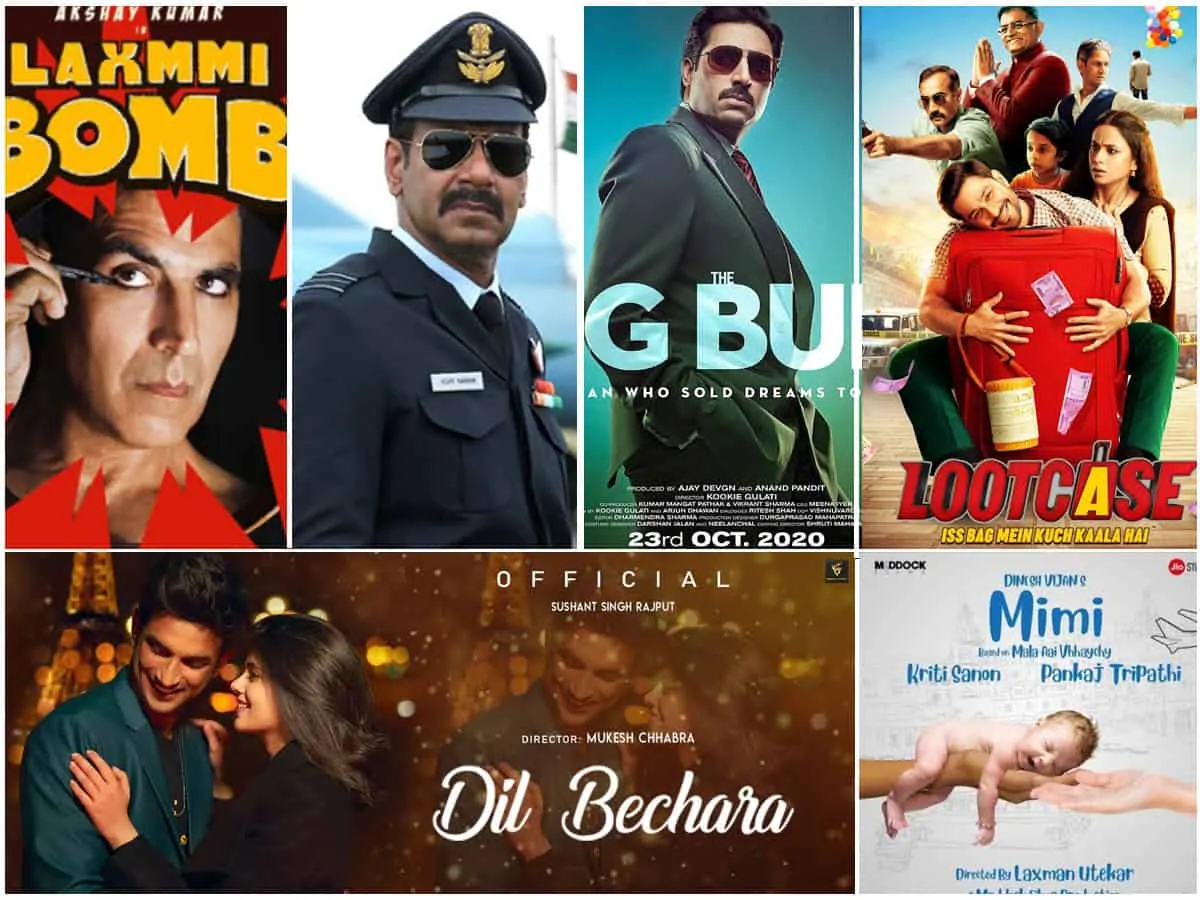
Every major streaming platform releases new films and series every week. Netflix, Prime Video, Disney+, and several regional platforms compete aggressively to keep audiences engaged.
The result is a constant flood of content:
- Multiple releases every Friday
- Simultaneous global launches
- Endless recommendations
What once felt exciting now feels overwhelming.
Viewers scroll longer, watch less, and often exit without pressing play.
Decision fatigue replaces excitement
Psychologists call it decision fatigue—the mental exhaustion caused by too many choices.
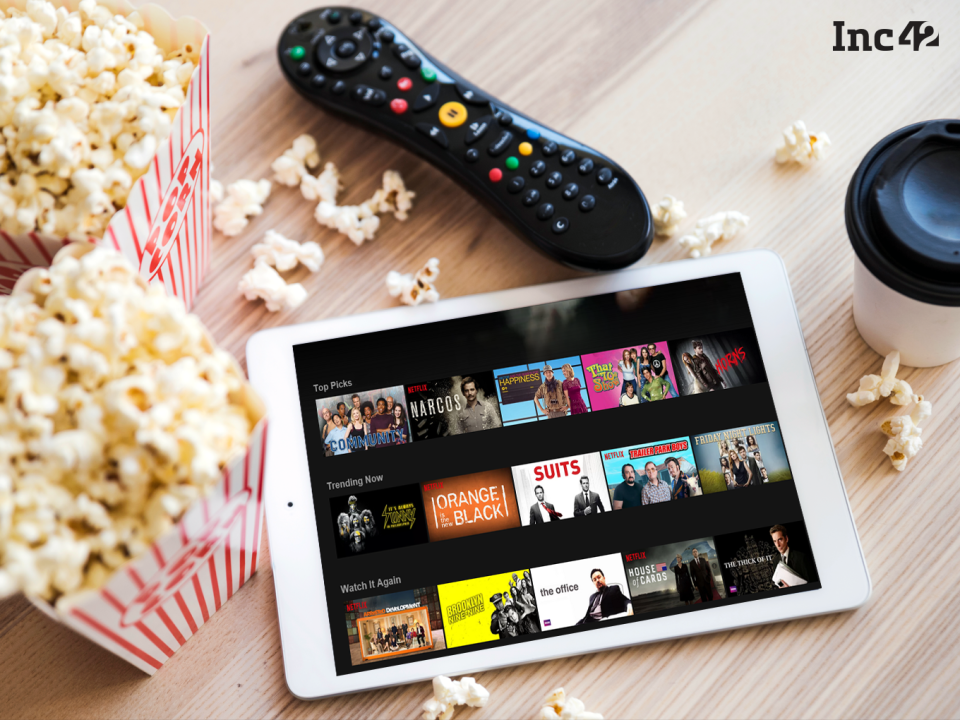
Streaming platforms present thousands of titles, algorithms suggest more, and social media adds pressure with trending lists and debates.
Instead of excitement, viewers experience stress.
Many users report spending more time browsing than actually watching. By the time a choice is made, the mood to watch has passed.
The fear of wasting time
Time has become the most valuable currency.
With work, family, and social commitments, viewers are cautious. They don’t want to invest two hours in a film that might disappoint.
This fear leads to:
- Rewatching familiar content
- Avoiding unknown titles
- Sticking to safe genres
As a result, newer and experimental films struggle to gain attention.
Algorithms add to the pressure
Streaming platforms rely heavily on algorithms. While meant to help, they often create repetition.
Viewers see similar suggestions again and again. This narrows exploration and creates a feeling of being trapped inside a content loop.
When every platform insists its recommendation is “perfect for you,” trust begins to fade.
The paradox of abundance
Ironically, more content has made viewers less satisfied.
In earlier eras, limited options encouraged commitment. Today, knowing there are endless alternatives makes it harder to enjoy what’s currently playing.
Viewers are quick to abandon films. Completion rates drop. Attention spans shrink.
This behavior affects how content is created—faster pacing, early hooks, simplified storytelling.
Global impact, shared experience
Streaming fatigue is not limited to one country.
Across cultures, audiences report similar habits:
- Shorter viewing sessions
- Preference for light content
- Reduced interest in long films
The global nature of streaming has unified not just content—but exhaustion.
The emotional cost of constant consumption
Streaming was once leisure. Now it feels like obligation.
Social media discussions, spoilers, trending lists, and “must-watch” labels turn entertainment into pressure.
Viewers feel behind, disconnected, or guilty for not keeping up.
This emotional cost changes how people relate to cinema.
The return of simplicity
Interestingly, fatigue is driving viewers back to simpler habits.
People revisit:
- Old films
- Comfort shows
- Familiar genres
Rewatching offers certainty and emotional safety. It removes decision stress.
This trend explains the continued popularity of classic films and sitcoms on streaming platforms.
What platforms are doing to respond
Streaming services are aware of fatigue.
Some responses include:
- Curated collections
- Shorter content formats
- Personalized lists
- Limited release schedules
Whether these efforts succeed remains uncertain.
The future of viewing habits
Streaming fatigue signals a shift, not a collapse.
Viewers are becoming more selective, intentional, and value-driven. Quality is slowly replacing quantity as the deciding factor.
The industry may need to slow down—to release less, promote better, and trust audiences more.
Final word
Streaming fatigue is a reminder that more is not always better.
Cinema and storytelling thrive when viewers have space to connect, reflect, and enjoy—not rush.
In a world of endless choice, the greatest luxury may simply be knowing what’s worth watching.