I’ve been watching movies long enough to remember when a “movie night” meant a dark theatre, a paper ticket stub, and a sense that what you were about to see had been carefully shaped to fit a two-hour window. For decades, Hollywood storytelling followed certain unwritten rules—clear heroes, clean arcs, tidy endings, and a runtime that rarely tested patience.
Then came streaming.
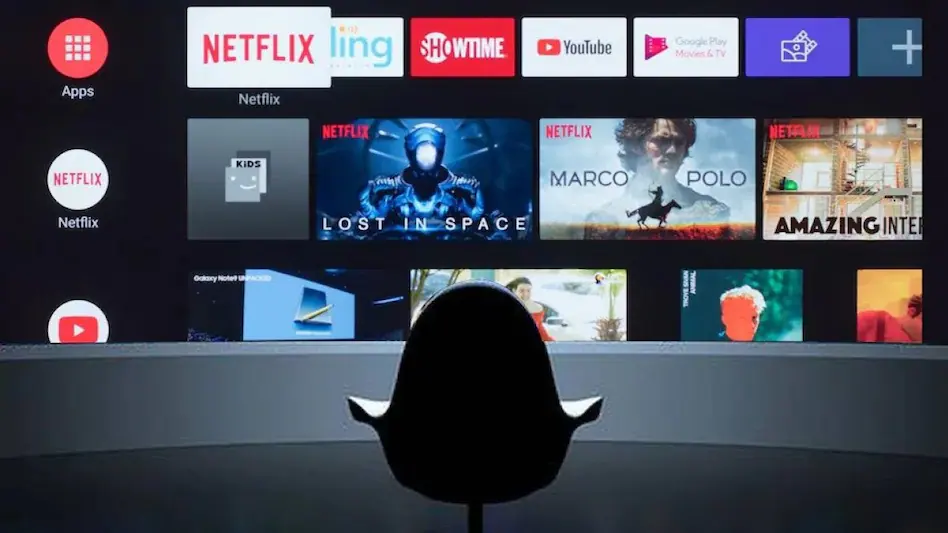
Platforms like Netflix, Amazon Prime Video, and Disney+ didn’t just change how films are distributed. They quietly, and sometimes not so quietly, changed how stories are told. As someone who has reviewed films from the era of VHS to IMAX, I can say this much: we are in the middle of a storytelling shift that Hollywood hasn’t seen in generations.
The end of the “perfect two-hour rule”
For most of Hollywood’s history, films were built around theatre schedules. Two hours was ideal. Longer films needed justification. Shorter ones were risky.
Streaming removed that limitation.
Now, a film can be 95 minutes or 180 minutes, and no projectionist is waiting to start the next show. Directors have space to breathe—or sometimes, to overindulge.
Netflix films like The Irishman would have struggled to secure a traditional wide theatrical release at that length. On streaming, runtime became part of the experience, not a liability.
As a reviewer, I’ve noticed that filmmakers are no longer asking, “Can we cut this?” but “Does this moment matter?” Sometimes the answer is yes. Sometimes discipline is missed. But the freedom is undeniable.
Stories no longer need to please everyone
Old Hollywood had a simple goal: appeal to the widest possible audience. Streaming platforms work differently.
Netflix can afford to serve multiple niches at once. Prime Video experiments across genres. Disney+ knows exactly what kind of storytelling its brand represents.
This has changed narrative risk-taking. Films no longer need universal appeal to be successful. They need the right audience, not the biggest one.
As a result, we’re seeing:
- Slower-paced films
- Ambiguous endings
- Morally complex characters
- Genre blends that studios once avoided
This would have been considered box-office suicide in the 1990s. Today, it’s standard streaming content.
Character over spectacle (most of the time)
Traditional studio films often leaned on spectacle—big moments, big action, big emotional payoffs.
Streaming, surprisingly, has pushed storytelling back toward character. When a viewer can pause, rewind, or return later, films don’t need constant stimulation.
Prime Video films often allow quiet scenes to linger. Netflix dramas focus on internal conflict. Even Disney+, despite its franchise-heavy lineup, experiments with tone and pacing in ways theatrical releases rarely allow.
As someone who grew up reviewing character-driven cinema, this shift feels familiar—in a good way.
The rise of “soft endings”
Classic Hollywood loved closure. Conflicts were resolved. Characters learned lessons. Credits rolled with emotional clarity.
Streaming films often end differently.
Many stories now conclude with uncertainty. Questions remain unanswered. The viewer is left to interpret meaning rather than receive it.
This is not accidental. Streaming audiences are comfortable with ambiguity. They are not paying for a single evening’s entertainment; they are living with content over time.
From a critical standpoint, this has made reviews more interesting—and sometimes more divisive.
Data-driven storytelling
This is where things get complicated.
Streaming platforms have data—who watches, who stops, who rewatches, which scenes are skipped. That data influences creative decisions.
Netflix, in particular, uses viewer behavior to shape content length, pacing, and even genre focus. This has led to:
- Early hooks in the first 10 minutes
- Clear genre signaling
- Less patience for slow openings
As an old-school reviewer, this worries me slightly. Art guided by algorithms can lose spontaneity. But it has also made filmmakers more aware of audience engagement in ways studios once ignored.
Franchises evolve beyond the theatre
Disney+ deserves special mention here.
Hollywood franchises used to live almost entirely on the big screen. Streaming allowed them to expand emotionally rather than visually.
Films connected to streaming universes now focus on backstory, quieter conflicts, and character relationships. This has influenced how movies themselves are written—less standalone, more interconnected.
From a storytelling perspective, films now feel like chapters rather than complete novels.
The global influence on Hollywood storytelling
Netflix and Prime Video release films globally on the same day. This has changed how Hollywood stories are written.
Themes are broader. Dialogue is simpler. Visual storytelling is emphasized over wordplay. Cultural specificity is balanced with universal emotion.
As a reviewer, I see more Hollywood films borrowing rhythms from international cinema—longer silences, slower reveals, and layered subtext.
This influence has made American storytelling more flexible, less rigid.
Performance styles are changing too
Actors perform differently for streaming.
There is less theatrical projection, more subtlety. Performances are built for close-ups and repeat viewings.
Big emotional scenes are often quieter now. That may not always translate to theatres, but it works beautifully on personal screens.
For someone who values acting craft, this has been one of streaming’s most positive impacts.
The downside: lack of editorial pressure
Studio films once went through heavy editorial scrutiny. Not all of it was good, but some of it was necessary.
Streaming platforms sometimes give creators too much freedom. Films can feel indulgent, overlong, or unfocused.
As a critic, I miss the invisible hand that once forced difficult creative decisions. Not every story benefits from total freedom.
What this means for the future of movies
Streaming has not replaced cinema. It has reshaped it.
Movies today are more personal, more experimental, and sometimes messier. They reflect the way people consume stories now—on their own terms, in their own time.
For someone who has reviewed films across decades, this change feels less like an ending and more like a transition.
Final thoughts
Netflix, Prime Video, and Disney+ have not destroyed movie storytelling. They have expanded it.
They’ve challenged old rules, questioned old habits, and opened doors for voices that once struggled to find space in Hollywood.
As an old movie reviewer, I don’t see this era as better or worse—just different.
And cinema, at its best, has always been about adapting while holding onto what matters most: a story worth telling.